Childhood Vaccination Schedule in Kenya: A Parent's Complete Guide
The Importance of Childhood Vaccinations
As a parent in Nairobi, ensuring your child's health and immunity is a top priority. Childhood vaccinations play a pivotal role in protecting your little ones from severe, sometimes life-threatening, preventable diseases. Whether you are living in Githurai, Kiambu, or anywhere along Thika Road, staying up-to-date with the Ministry of Health Kenya vaccination guidelines is crucial.
What is the KEPI Schedule?
The Kenya Expanded Programme on Immunization (KEPI) outlines the mandatory vaccines required for every child from birth up to 18 months of age. These include vaccines for Tuberculosis (BCG), Polio, Diphtheria, Pertussis, Tetanus, Hepatitis B, Haemophilus influenzae type B, Pneumococcal disease, Rotavirus, and Measles/Rubella.
The schedule is carefully designed to provide immunity at the specific times when a child is most vulnerable to these diseases. At Medveel Medical Centre, we strictly adhere to these guidelines to ensure the highest standard of pediatric care.
The Routine Vaccination Timeline
At Birth
Right after birth, babies are given the BCG vaccine (protects against Tuberculosis) and the Oral Polio Vaccine (OPV) birth dose. These initial vaccines kickstart the infant's immune response.
At 6, 10, and 14 Weeks
This is a busy period for vaccinations. Your child will receive:
- Pentavalent Vaccine: Protects against Diphtheria, Pertussis, Tetanus, Hepatitis B, and Hib.
- OPV/IPV: Oral and Inactivated Polio Vaccines.
- PCV 10: Pneumococcal Conjugate Vaccine (protects against pneumonia and meningitis).
- Rotavirus Vaccine: Given at 6 and 10 weeks to protect against severe diarrhea.
Missing these can leave your child exposed. If you are in the Thika Road area, Medveel Medical Centre provides a comfortable environment for these essential early visits.
At 9 Months and 18 Months
At 9 months, the first dose of the Measles-Rubella (MR) vaccine is administered. A second dose is given at 18 months, along with a Vitamin A supplement. Yellow Fever vaccine is also administered at 9 months in high-risk areas.
Why Choose Medveel Medical Centre for Vaccinations?
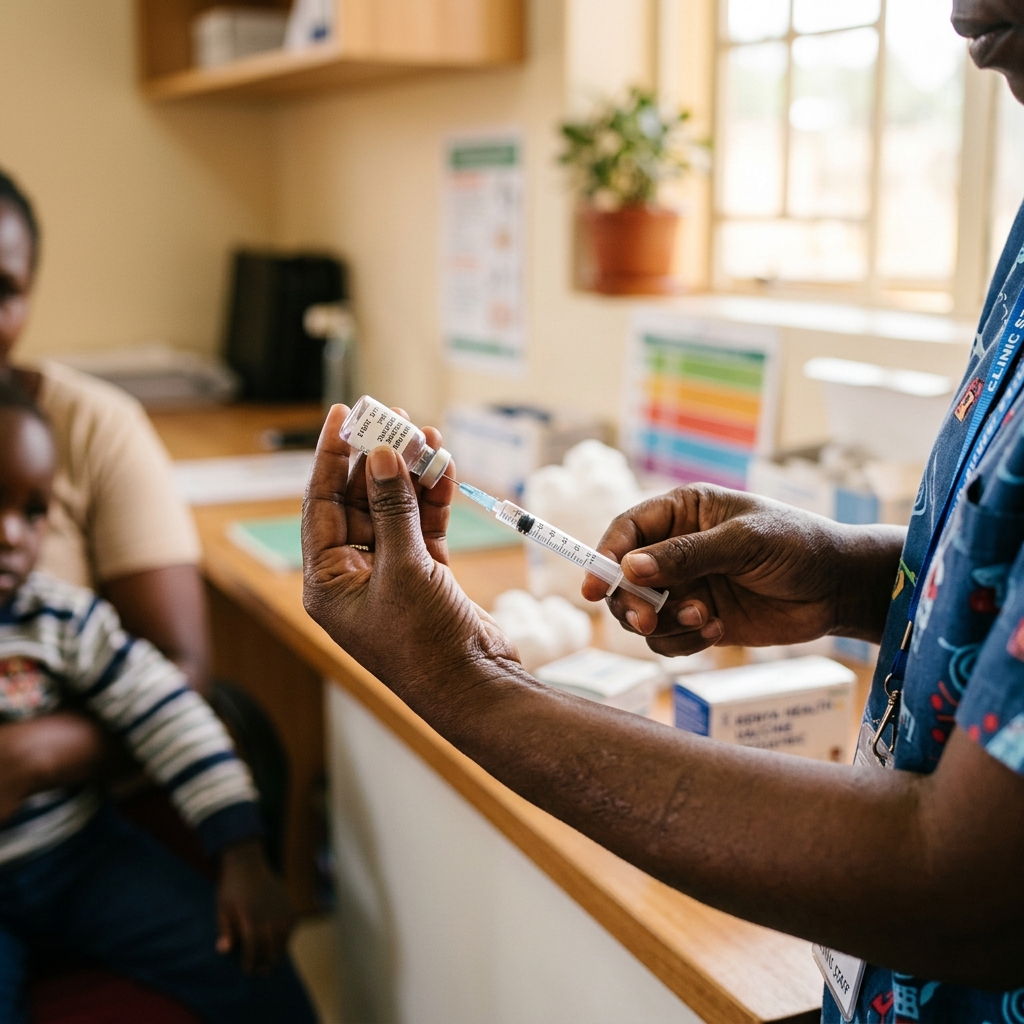
Located conveniently in Githurai, Kiambu, Medveel Medical Centre offers a child-friendly pediatric wing. We understand that vaccination days can be stressful for both parents and babies. Our experienced pediatricians and nurses ensure a smooth, quick, and comforting process.
Furthermore, vaccines must be stored at specific temperatures to remain effective (the cold chain). We maintain state-of-the-art medical refrigeration systems to guarantee vaccine potency.
Debunking Vaccine Myths
There is a lot of misinformation online. According to the World Health Organization (WHO), vaccines are rigorously tested and proven safe. They do not cause autism, and delaying vaccines only increases the period during which children are vulnerable to diseases.
What to Expect After Vaccination
It is normal for a child to experience mild side effects such as a slight fever, fussiness, or redness at the injection site. These symptoms usually subside within a day or two. Applying a cool, damp cloth to the injection site and offering extra fluids can help soothe your baby.
However, if your child develops a high fever or if you are ever concerned, our 24/7 medical facility is always open to provide emergency pediatric care.
Book Your Child's Vaccination Today
Don't fall behind on your child's vaccination schedule. Visit Medveel Medical Centre in Githurai for comprehensive pediatric care.
Frequently Asked Questions
What should I bring to the vaccination appointment?
Always bring your child's clinic booklet (Mother-Child Health booklet) so the nurses can update the immunization records accurately.
Can a child get vaccinated if they have a cold?
A mild cold without a high fever is usually not a reason to delay vaccination. However, the consulting clinician at Medveel will assess your child to ensure they are fit for the vaccine.
Are the vaccines free in Kenya?
Vaccines under the KEPI schedule are provided by the government, though private facilities may charge an administration or consultation fee.